Find NDIS Community Nursing at Home
Connected with a registered NDIS nursing provider near you.
- Free
- No obligation
- Ahpra registered
We share your details with one provider at a time, never a list. Privacy policy
What Is NDIS Community Nursing?
NDIS community nursing is nursing at home or in the community for health needs that come from a person's disability, such as catheter care, complex bowel care, wound and pressure care, insulin injections or PEG feeding. The NDIS calls these disability-related health supports.
A registered nurse usually assesses the person, writes a care plan, and trains and supervises support workers or family to do what can safely be delegated. Some tasks, like changing a urinary catheter, stay with a nurse. The NDIS funds nursing in both core and capacity building budgets, up to the NDIS price limits.
Nursing to treat an illness, injury or health event, hospital in the home and palliative care are the health system's job. How to tell which one applies.
How it works
Three Steps to Talking With a Provider
Tell Us What's Needed
Who it's for, their age, the kind of nursing, funding, postcode and when it needs to start. About two minutes.
We Find a Provider
We pass your details to one registered NDIS community nursing provider that visits your area and may have capacity.
They Get in Touch
The provider contacts you to talk about the care plan, visits, the cost and when they could start.
Your details only go to the provider we match you with. If they can't help, we'll find another. More about how it works
Nursing That Fits Around Everyday Life
NDIS community nursing is for health needs that come from disability, delivered at home and in the community so people can keep doing what they do.
Personal Care
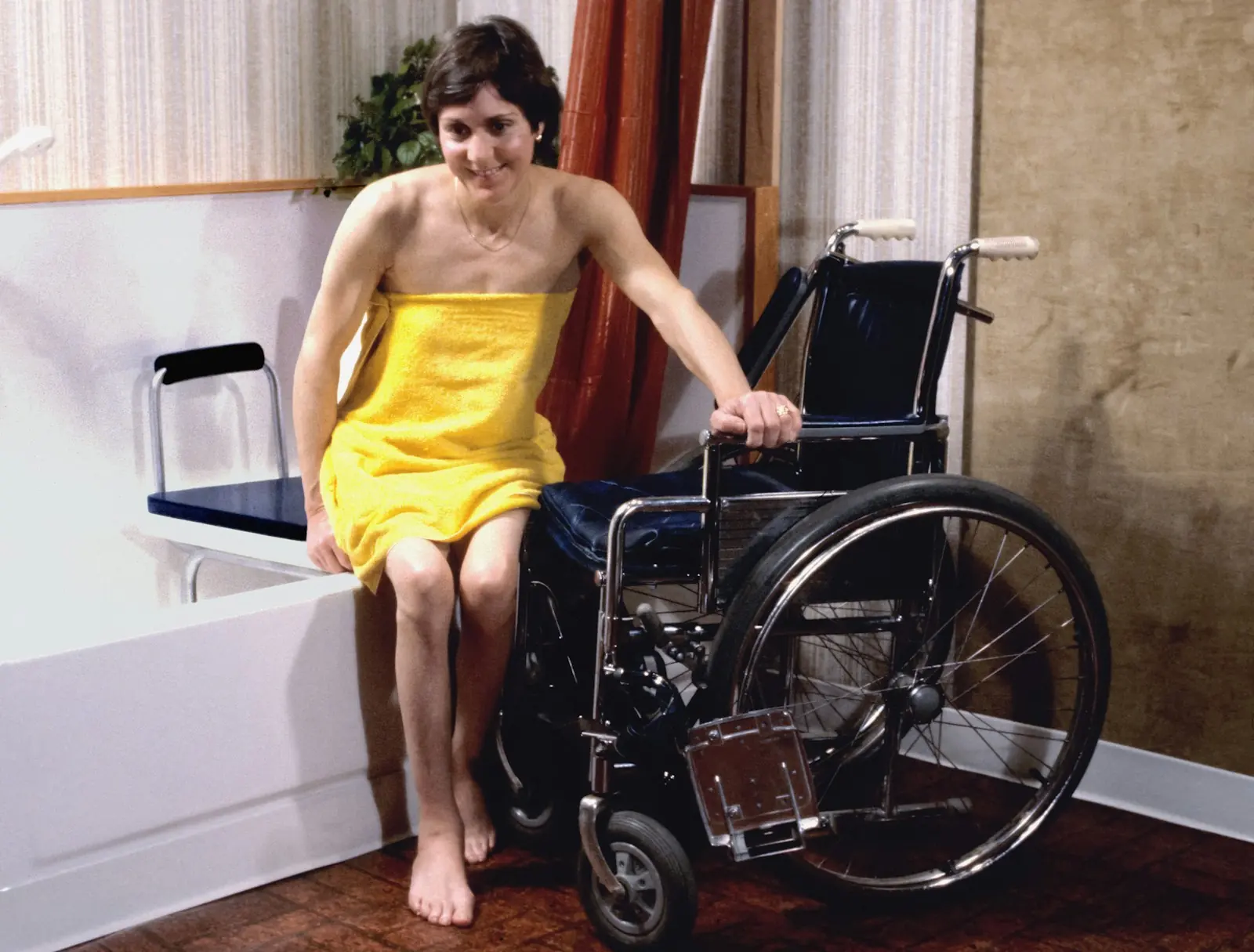
Continence, catheter and bowel care, planned so it fits the person's routine.
Skin and Wounds
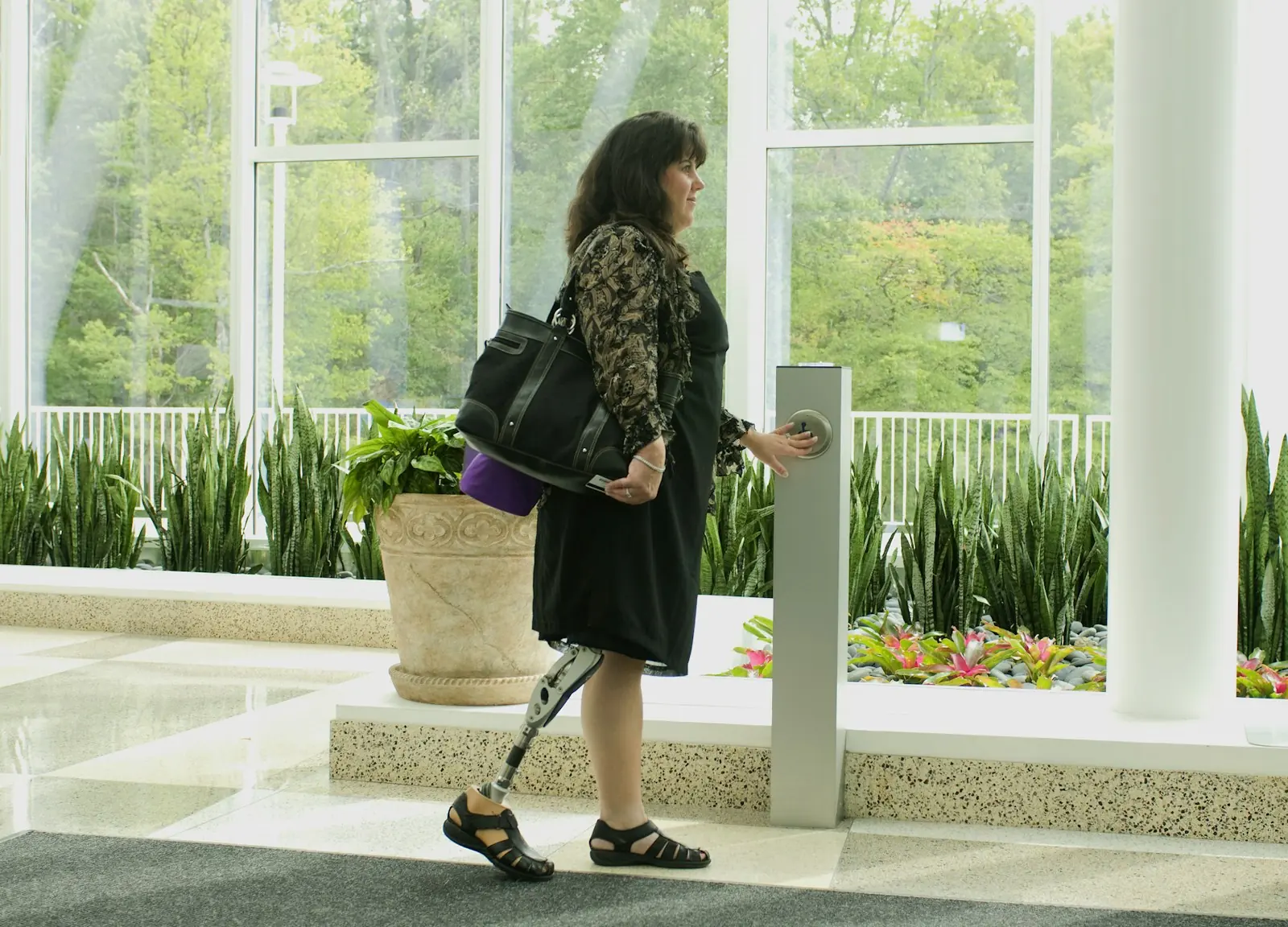
Wound and pressure care plans, and the training to carry them out.
Getting on With Life
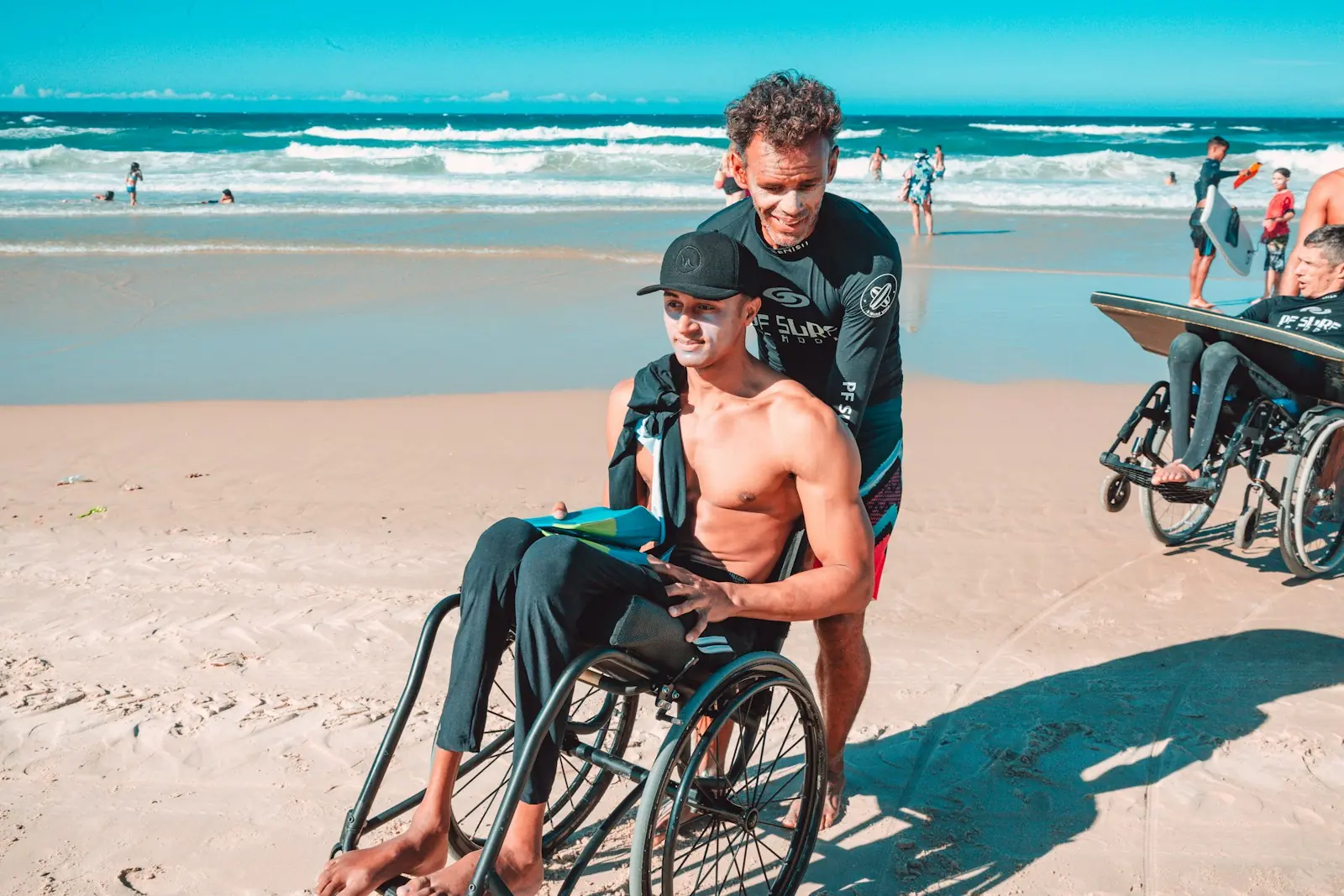
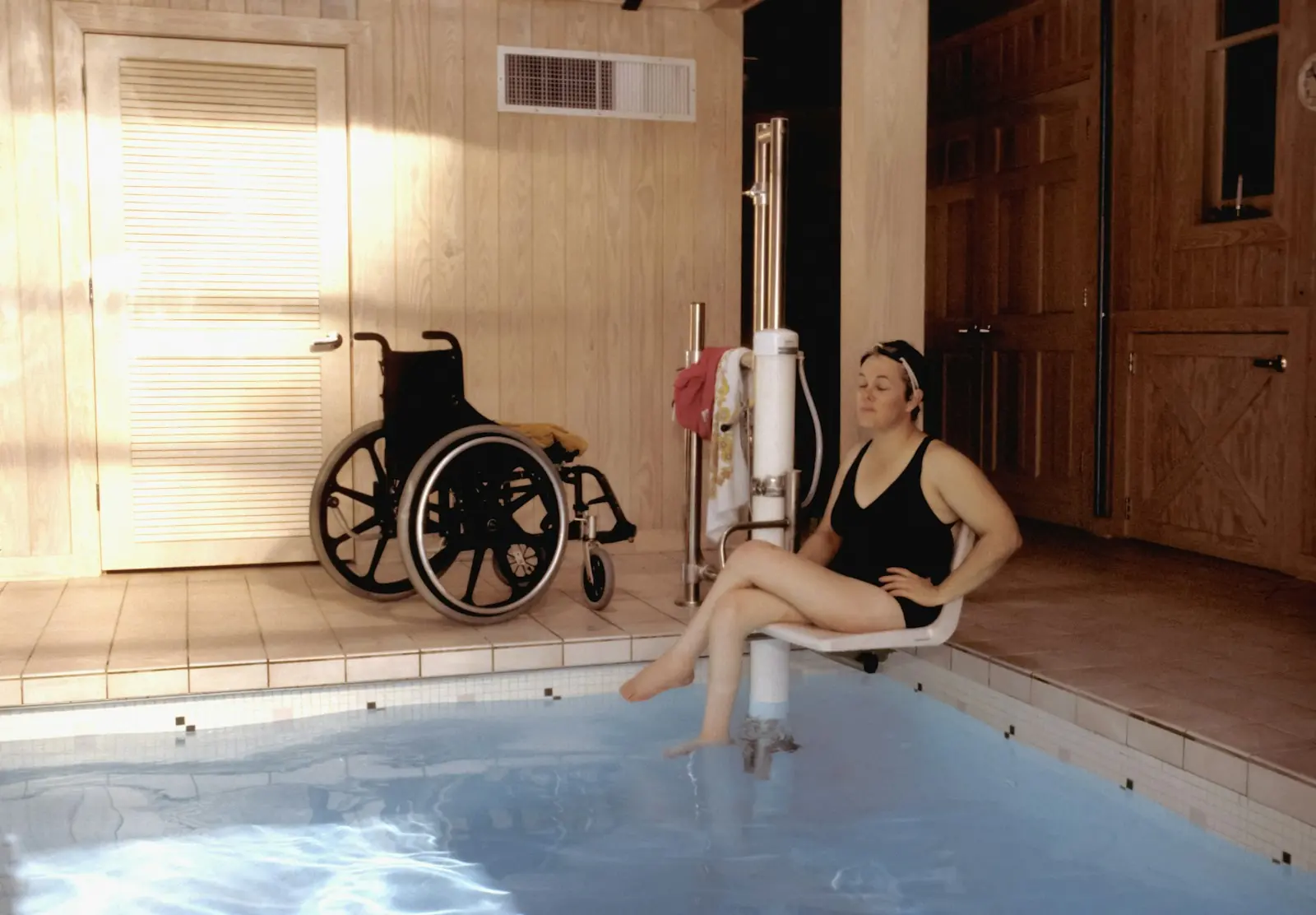
Care that works around home, school, work and the things people enjoy.
Community Nursing Explained
Plain-English guides, checked against the NDIA's own guidelines and the NDIS Pricing Schedule.
- What is community nursing?Nursing at home for health needs that come from disability.
- NDIS or the health system?Who pays for which kind of nursing, with examples.
- What NDIS nursing costsThe 2026-27 hourly price limits and line items.
- Continence and catheter careContinence assessments, products and catheters.
- Wound and pressure careCare plans, products and equipment.
- Nurse or support worker?How registered nurse delegation of care works.
What the NDIS Funds, and What Health Does
Drawn from the NDIA's guideline on disability-related health supports.
Usually NDIS
- A nurse to assess and write a care plan for disability-related health needs
- Training and supervising support workers or family
- Catheter changes, complex bowel care, PEG and tracheostomy care
- Continence and wound care products, with evidence
Usually the Health System
- Treating an illness, injury or health event
- Nursing after surgery, and hospital in the home
- Medicines, including insulin
- Palliative and end-of-life care
For Participants and Families
Coming home from hospital, new nursing funding in the plan, or a provider that can't continue? Tell us once and we'll pass it to a registered nursing provider, instead of you ringing around.
Get matchedFor Coordinators and Hospitals
Send the type of care, the participant's age, plan management and the start date. We pass it to a provider that may have capacity and let you know who's picking it up.
Refer a participantHow We Choose Providers
We only pass your details to providers that meet all of these.
- Registered with the NDIS for community nursing care
- Nurses registered with Ahpra, checked on the public register
- Visiting in the person's area, with capacity for new clients
- Agree to contact you promptly, and we check that they did
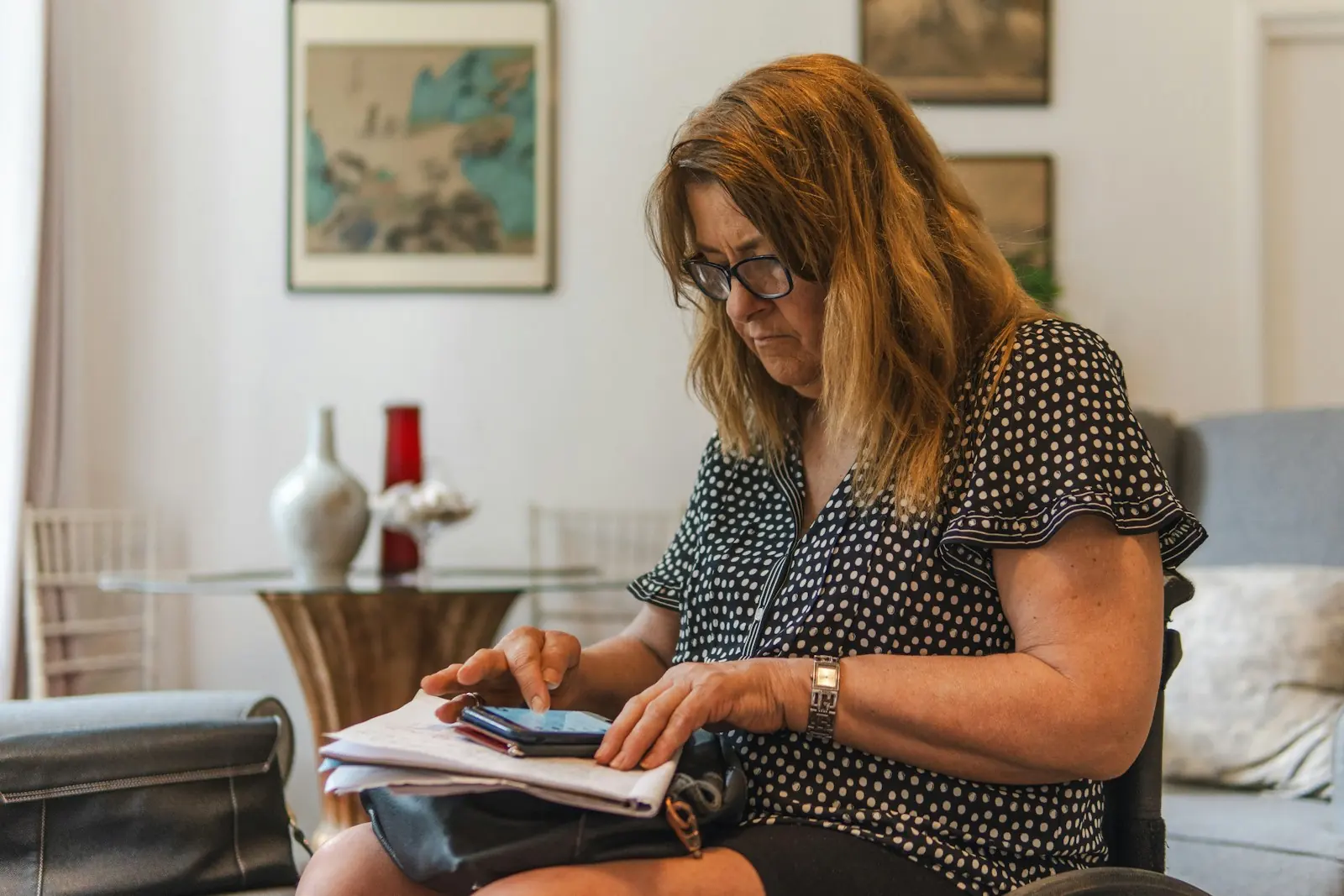
How NDIS Nursing Is Funded
Nursing items sit in core supports (assistance with daily life) and capacity building (improved daily living). Providers charge by the hour, and for NDIA-managed and plan-managed funding a registered nurse can charge up to $128.05 an hour on a weekday daytime under the 2026-27 Pricing Schedule.
More on nursing costsQuestions People Ask
Does it cost anything to use this service?
No. It's free for you. Nursing providers pay us when we introduce them to someone, which is how we keep it free. The nursing itself is charged by the provider, within NDIS price limits if NDIS funding pays.
Are you the NDIS, or a nursing provider?
Neither. disabilitynursing.au is an independent service that connects people with registered NDIS community nursing providers. We're not part of the NDIA or the NDIS Quality and Safeguards Commission, and we don't provide nursing ourselves.
What kind of nursing does the NDIS fund?
Nursing for health needs that come from disability, such as catheter care, complex bowel care, wound and pressure care, injections and PEG feeding, including care plans and training for support workers.
Does the NDIS pay for nursing after hospital?
Not for treating the health event itself, like a surgical wound. That's the health system. Ongoing disability-related nursing after discharge can be NDIS funded.
Can you give medical advice?
No. We don't give clinical advice. Talk to your doctor or nurse about care, and to us about finding a provider.
I'm a support coordinator. Can I refer someone?
Yes. Use the referral form, or choose coordinator in the questions above. Please make sure the participant or their nominee has agreed to the referral first.
Ready to Find a Community Nurse?
It takes about two minutes, and it's free.